Kiwi IRC
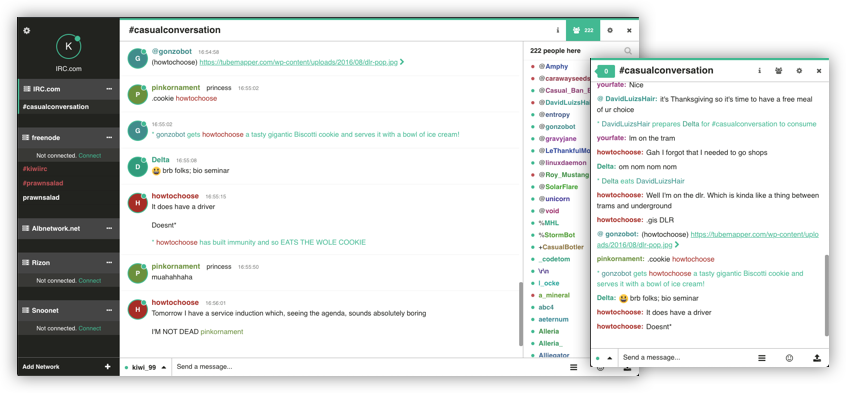
KiwiIRC makes Web IRC easy.
A hand-crafted IRC client that you can enjoy. Designed to be used easily and freely.
KiwiIRC makes Web IRC easy.
A hand-crafted IRC client that you can enjoy. Designed to be used easily and freely.
For homemakers or elders staying behind, the mid-morning is defined by local commerce. This is the time when neighborhood vendors—the sabzi-wala (vegetable vendor), the doodh-wala (milkman), and the raddi-wala (newspaper recycler)—walk through the residential lanes, their distinctive vocal cries calling residents to their balconies to haggle over prices. The Evening Homecoming
Grandparents who live with their children do not just reside there; they are active anchors of the household. They supervise grandchildren, pass down oral histories, and manage local neighborhood relationships. In homes where families live apart, daily video calls are mandatory. Major life decisions, from buying a car to choosing a career path, are rarely individual choices. They are thoroughly debated and decided collectively. Midday Mechanics: Neighborhood Ecosystems
Young adults migrate to metro cities like Bengaluru, Mumbai, and Delhi for career opportunities. This has made nuclear families the new urban norm. 3gp mms bhabhi videos download upd
As family members return home, the "evening tea" ritual takes place. Chai is not just a beverage; it is a daily town hall meeting. Served with savory snacks like samosas or biscuits, this is when families decompress, discuss politics, and debate neighborhood gossip.
Daily life stories usually begin before sunrise. In many households, the day starts with a spiritual ritual. The smell of incense fills the air as the family gathers for a small 'Puja' (prayer) in a designated corner of the house. For homemakers or elders staying behind, the mid-morning
Mr. Joshi sends the dabba back with a piece of sweet ladoo or a note for Aryan’s father about the stock market. This is not charity. This is the extension of the Indian family mindset—where the neighbor is a cousin, and the watchman is "Kaka" (uncle).
Perhaps the most beautiful story of Indian family logistics is the Dabba (lunchbox). In Mumbai, a husband takes a lunchbox to the train. In Bangalore, a wife packs a dabba for her office-going husband. But the true story is vertical. They supervise grandchildren, pass down oral histories, and
After the drama, the mother stands in the kitchen. She packs the leftover sambar into three different containers. One for the maid tomorrow. One for the street dog. One for her sister who lives alone. She eats the broken idli (rice cake) standing up, over the sink. No one sees this. This is the invisible weight of the Indian family lifestyle—the sacrifice that never makes it into the Instagram reel.
The scent of sputtering mustard seeds, the distant chime of morning prayers, and the rhythmic sweep of a broom against marble floors mark the beginning of a typical day in an Indian household. India’s family lifestyle is a complex, beautiful tapestry woven from age-old traditions and rapid modernization. Beneath the statistics of the world’s most populous nation lies a deeply collectivistic culture where daily life is a shared narrative.