



The series quickly gained traction, with viewers drawn to Luna's vibrant animation, catchy music, and lovable characters. As her channel grew in popularity, Luna began to collaborate with other creators, guest-starring in their videos and participating in live streams.
The company positions itself as “wholesome but daring,” aiming for a teen to young adult audience (14–25) who enjoy Beastars , Kemono Friends , Nekopara , or Brand New Animal .
: It provides a soft entry point into fantasy worlds that feel familiar yet distinct from reality. character design tropes
Animal Girl Kemonomimi ) media features humanoid characters—usually girls—who possess animal traits like ears, tails, or wings. This genre blends human relatability aesthetic appeal
—explores how these characters serve as a bridge between human identity and animalistic traits in popular media. Key Academic Perspectives Moe Anthropomorphism and Database Consumption
Gaming is arguably the largest driver of animal girl content today.
The historical foundation of animal girls lies in mythology and indigenous spirituality. In Japanese folklore, the kitsune (fox) and bakeneko (cat) were shapeshifters capable of taking human form, often depicted as beautiful women with lingering animal traits. In Western traditions, figures like sirens or harpies blended the feminine with the avian. However, the modern iteration of the animal girl is less about divine mystery and more about specific personality archetypes. The 20th-century rise of manga and anime codified these traits, turning physical attributes into shorthand for temperament. For example, cat girls (nekomusume) are frequently associated with playfulness or fickleness, while dog or wolf girls often embody loyalty and ferocity.
Products
-
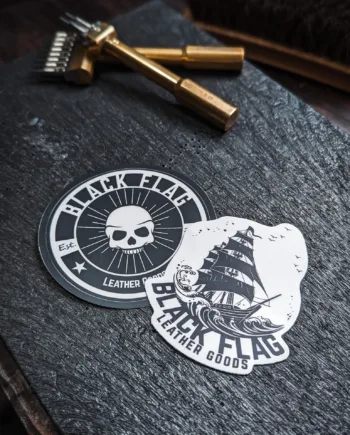 Sticker Pack
$10.00
Sticker Pack
$10.00
-
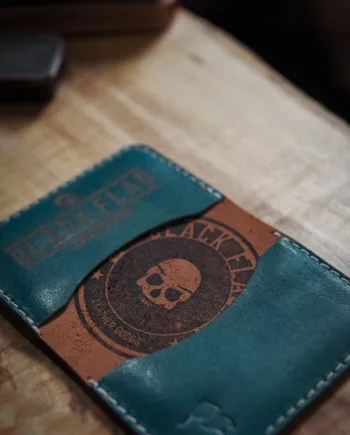 Minimalist Bifold Cardholder
$60.00
Minimalist Bifold Cardholder
$60.00
-
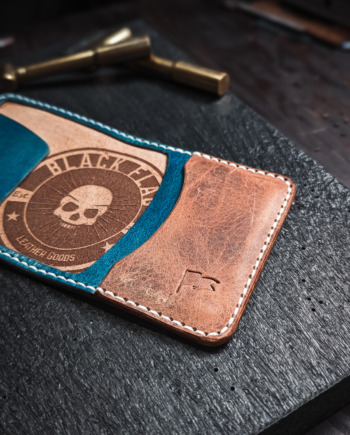 Slim Bifold Wallet
$100.00
Slim Bifold Wallet
$100.00


