Good Italian tomato since 1934
Azeri Seks Kino Exclusive !!exclusive!! | 100% PREMIUM |
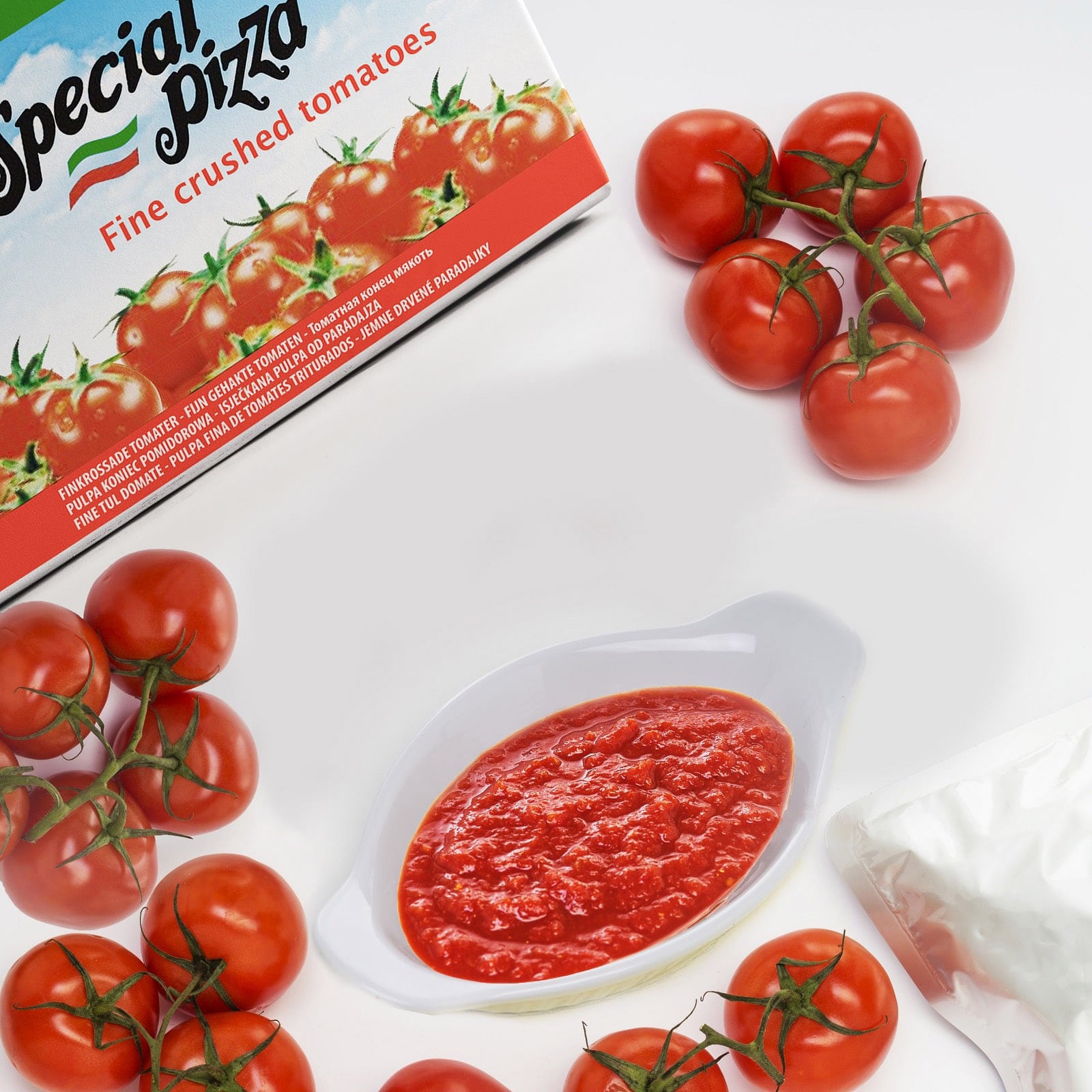
Steriltom's Tomato Pulp little sister. Same taste, same freshness but smaller pieces.
Our formats

Steriltom's Tomato Pulp little sister. Same taste, same freshness but smaller pieces.
The main characteristic of our fine crushed tomato is the size of the tomato cube, finer than the traditional crushed tomato. This product is also used for the preparation of first courses or tomato-based sauces, but many chefs also use it for the preparation of pizzas thanks to a higher density degree






Following independence in 1991, the nation experienced profound geopolitical and economic shifts, marked by the First Nagorno-Karabakh War and a subsequent oil boom. The cinema of the late 1990s and 2000s transitioned into raw realism. Directors began tackling the direct fallout of these shifts: displacement, poverty, corruption, and the erosion of rural life. Today, social realism remains the dominant framework, but the focus has shifted inward—from macro-political struggles to the micro-politics of human relationships. Share public link
In the heart of Baku, where the futuristic Flame Towers shadow the ancient stone of the Old City, a young filmmaker named Elnur was struggling with his latest script for Azeri Kino . He wanted to capture the delicate friction between modern "exclusive" relationships and the deep-seated social traditions of Azerbaijan.
Despite rich thematic material, independent filmmakers face significant structural hurdles when addressing sensitive social topics. azeri seks kino exclusive
This public link is valid for 7 days and shares a thread, including any personal information you added. This link or copies made by others cannot be deleted. If you share with third parties, their policies apply. Can’t copy the link right now. Try again later.
As the Azerbaijani film industry continues to grow and evolve, it is likely that Azeri Kino will remain a powerful force for social commentary and cultural exchange. Whether you're a film enthusiast, a social activist, or simply someone interested in exploring new cultures, Azeri Kino is definitely worth exploring. Today, social realism remains the dominant framework, but
By the 1960s and 1970s, films like Bizim Cəbiş Müəllim (Our Teacher Jabish, 1969) and Gün Keçdi (The Day Passed, 1971) began exploring intimacy, urban isolation, and the bittersweet nature of unfulfilled romance. Gün Keçdi , in particular, highlighted the psychological weight of nostalgia and the societal expectations that dictate adulthood and domesticity, shifting the focus from collective duty to personal emotional landscapes. Modern Courtship and the Pressure of Exclusive Labels
Baku represents hyper-modernity, where exclusive relationships can hide in plain sight. not romance (e.g.
Films like O Olmasin, Bu Olsun (If Not That One, Then This One) and the cinematic adaptations of Arshin Mal Alan (The Cloth Peddler) by Uzeyir Hajibeyov were foundational. On the surface, these works presented lighthearted comedic narratives. Beneath the humor, however, they fiercely criticized the commodification of women, arranged marriages, and the rigid class structures of pre-Soviet Azerbaijani society. During the Soviet era, filmmakers managed to bypass strict state censorship by masking deep psychological and existential critiques as standard socio-realist dramas, laying the groundwork for the nuanced narratives seen today.
| Social Topic | How It’s Framed via Exclusive Relationships | Typical Resolution (or Lack Thereof) | |--------------|-----------------------------------------------|----------------------------------------| | | Woman’s exclusive devotion to husband vs. man’s hidden second relationship | Woman sacrifices; man continues freely | | Migrant loneliness | Azerbaijani guest workers in Russia/Moscow form temporary exclusive bonds | Broken return home – silence as ending | | Disability & intimacy | Caregiver-partner exclusivity shown as burden, not romance (e.g., "Mənim Ağ Göyərçinim" ) | Resignation, rarely mutual liberation | | Religious resurgence | Exclusive relationships now monitored via Islamic ethics (mahram rules) | Secret nikah, then social death if exposed |