Bez Wstydu 2012
Reach Textile Software gives you a billing counter which combines a touch based POS with your barcode scanner and provides a flawless super-fast billing
Try itCall us : 09840075503 10am to 6pm
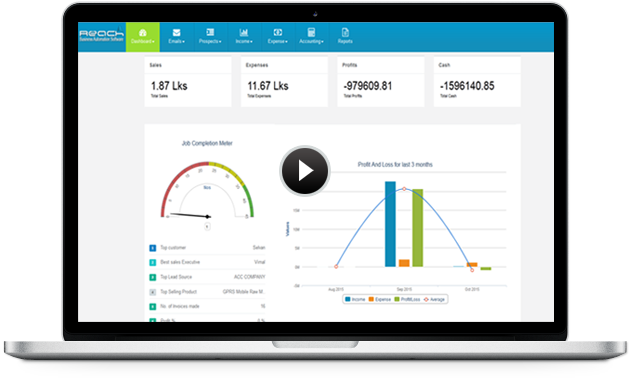
Reach Textile Software gives you a billing counter which combines a touch based POS with your barcode scanner and provides a flawless super-fast billing
Try itCall us : 09840075503 10am to 6pm
Reach Textile Software comes with POS Software through which your billing needs can be fulfilled. Our Textile ERP comes with option for touch based as well as keyboard based billing facility
Our Textile ERP Software comes with barcode facility which is easier for the billing person to bill faster. You can also take barcode printing with our textile ERP
Block below cost sale feature helps you to restrict people from billing lesser than a specified pricing. This will help you to have a control on the pricing of your textile shop
You can print loyalty cards for your customers using our textile ERP. With this feature you will be able to retain your customers.
Top Product Features
Touch and Keyboard Billing counters. Works even when the Internet connection is cut. Seperate Cash and delivery counters.
Create Lots/ Batches, Auto-generate codes and print barcode labels. Read them automatically using a barcode scanner
Assaign points for every sale and redeem them whilst billing next time
Auto sync to over 36 Banks, e-stores, Google docs, Google calander, Project management tools, Click to Calls, SMS gateways, Payment Gateways and many others
See offer prices of all vendors while creating purchase orders. add purchase and manage incoming stock.
Show what needs to be shipped and what needs to be received automatically to the store keeper
Send bills automatically to your accountant and add notes. Prepare VAT, Service Tax, TDS and Excise Reports auotmatically
Stop worrying about system crashes and data theft. Store the data safely on the cloud with Bank level security.
"Bez Wstydu 2012" (English: "Without Shame 2012") - a Polish documentary film directed by Tomasz Zubilewicz, released in 2012. The film explores the lives of several individuals and groups who, through their actions and attitudes, challenge traditional Polish social norms and expectations.
Conversely, the most common criticism was that "Bez Wstydu" was essentially "two short films forcibly combined into one". Many critics felt the social subplots involving the neo-Nazis and the Roma community, while thematically related, were not properly integrated. Janusz Wróblewski of Polityka , a leading Polish weekly, wrote a sharply critical review, stating that the director "avoids social controversy" and fails to create the necessary "sexual fire, attraction, or magnetism" between the two leads, making the central relationship feel unconvincing.
The plot of Bez Wstydu follows Tadek (Mateusz Kościukiewicz), a troubled young man who returns to his hometown in Wałbrzych, Poland. He seeks refuge at the apartment of his older half-sister, Anka (Agnieszka Grochowska). From the moment Tadek arrives, the intensity of his attachment to Anka becomes the central focus of the narrative. His fixation is consuming, leaving no room for conventional familial boundaries.
Polish cinema, psychological drama, taboo, family dysfunction, Oedipal complex. Bez Wstydu 2012
The supporting cast is equally strong. makes a memorable screen debut as Irmina, the Romani girl whose charms go unnoticed, bringing a warmth and natural charisma that contrasts sharply with the film's pervasive greyness. Maciej Marczewski (the director's brother) plays Andrzej, the neo-Nazi leader, with a chillingly calm intensity that makes him a thoroughly despicable antagonist. The legendary Polish actor Andrzej Wajda served as the film's artistic supervisor, praising the director's "great heart for the actors and the people he wants to show on screen".
: Marczewski interweaves the personal drama with broader Polish social issues, including the rise of neo-Nazism and the marginalization of the Romany community.
Edyta arrives. She is modern, independent, and casually promiscuous. She brings a chaotic energy that disrupts the stale air of the villa. Edyta flirts with Tadek, partly for fun and partly to provoke Lusia. "Bez Wstydu 2012" (English: "Without Shame 2012") -
[Tadek (18, Orphaned & Disturbed)] ──(Forbidden Obsession)──> [Anka (Older Half-Sister)] │ │ (Rejects Desire) (Toxic Romance) ▼ ▼ [Irmina (Romani Outcast)] [Andrzej (Neo-Nazi Leader)]
The main theme is, of course, the "impossible and forbidden feeling" of erotic fascination between siblings. It deals with the process of painful maturation and the search for love and warmth in a cold, judgmental environment. The director was insistent that the film does not serve as propaganda for incest; rather, he argued, it is meant to provoke reflection on how easily we condemn others without understanding the nuances of their emotional lives.
A deep dive into the of Jan Komasa or Mateusz Kościukiewicz Many critics felt the social subplots involving the
The documentary serves as a valuable resource for understanding the complexities of contemporary Poland, and the ongoing struggles and triumphs of those who refuse to be silenced or marginalized.
This public link is valid for 7 days and shares a thread, including any personal information you added. This link or copies made by others cannot be deleted. If you share with third parties, their policies apply. Can’t copy the link right now. Try again later.
Or follow us on social platform
© 2015 Reacherp.com