Overview Atomic Clock App
Efi Shell Version 250 ((better)) Free ⭐ Trusted
Introducing the Atomic Clock app providing the users with a quick and easy way to check the precisely current time. That is available for Windows.
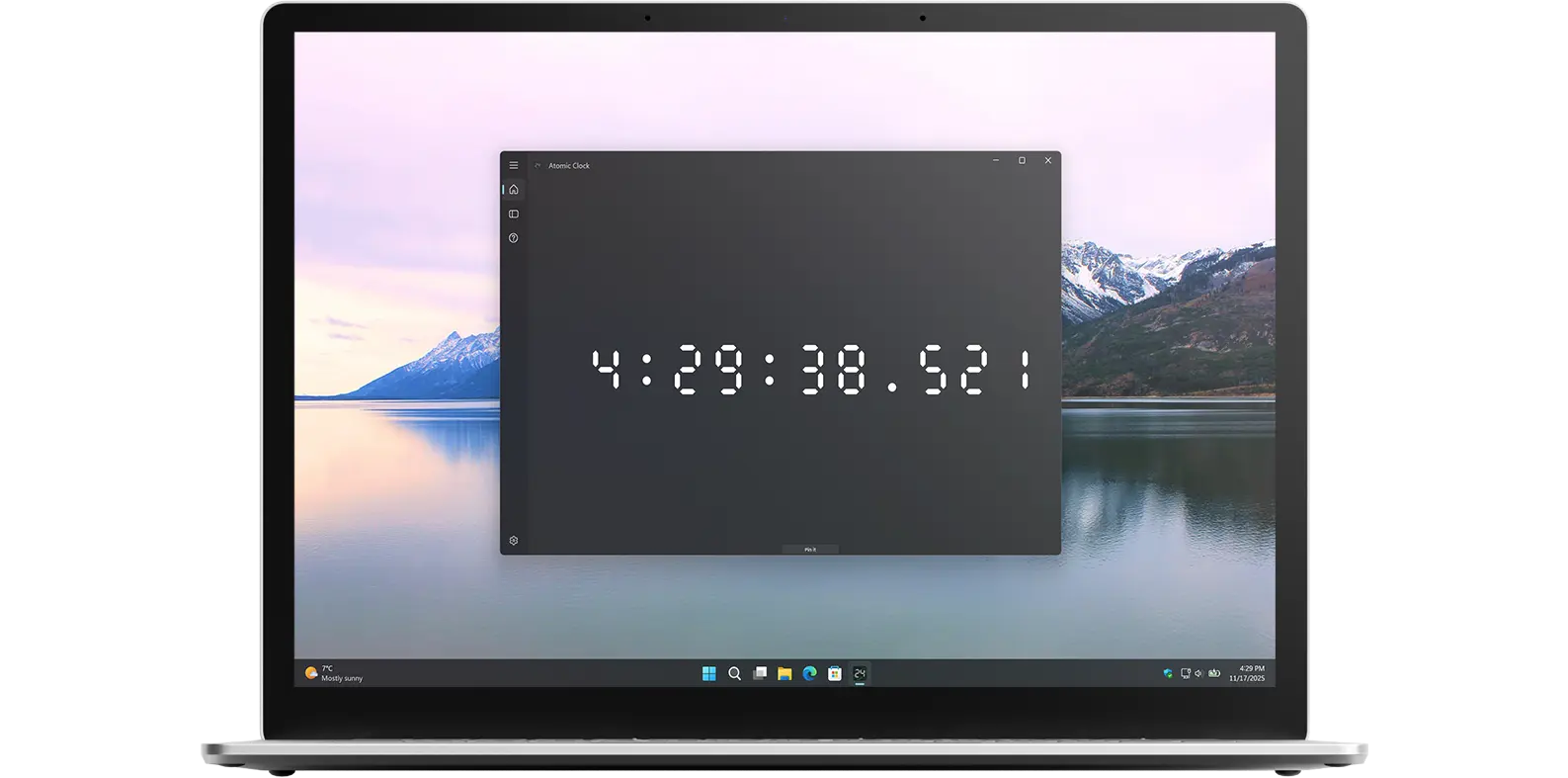
Introducing the Atomic Clock app providing the users with a quick and easy way to check the precisely current time. That is available for Windows.

Download the Atomic Clock app and enjoy a precise, customizable timekeeping experience right on your device. And always have access to accurate time information, making it an indispensable tool for your daily routines and productivity.

: Manage files on FAT32 partitions with standard commands such as ls (list files), cp (copy), and mkdir (make directory).
Once you are at the EFI Shell prompt, it's easy to identify which version you are running. Upon launching, the console will usually display a header similar to:
Repairing broken boot sectors, modifying NVRAM boot variables, or manually launching an OS bootloader ( bootx64.efi ). efi shell version 250 free
Even with a free, legitimate copy, users face problems. Here are solutions to the most common ones:
If Windows or Linux fails to boot because bootmgfw.efi or grub.efi is corrupted, you can launch the EFI Shell from a USB drive, navigate to the EFI partition, and manually launch the bootloader. : Manage files on FAT32 partitions with standard
: Re-maps the drives to ensure the shell recognizes all connected storage devices. exit : Exits the shell and returns to the BIOS menu.
Version 2.50 is a specific release of this tool. It includes standard commands to manage files, look at hardware, and run scripts. Is EFI Shell Version 2.50 Free? Even with a free, legitimate copy, users face problems
If your computer does not have it built-in, you can download it for free. Go to official tech repositories like GitHub. Look for the project (EFI Development Kit). Download the pre-built Shell.efi binary file. Rename the file to bootx64.efi to make it bootable. How to Use the Free EFI Shell To use the tool, you need to put it on a USB flash drive. Step 1: Prepare the USB Drive Format a USB drive to the FAT32 file system. Create a folder named EFI on the USB drive. Inside EFI , create a folder named BOOT . Move your downloaded bootx64.efi file into the BOOT folder. Step 2: Boot into the Shell Keep the USB drive plugged into your PC. Restart your computer. Press the boot menu key (usually F11 or F12 ). Choose your USB drive from the list. Common EFI Shell Commands
: Shows the system memory map, highlighting allocated, reserved, and free address spaces. 3. File Management and Execution
The command was risky. If the driver emulation was off by a single byte, the drive would lock permanently. The UFI Shell v2.50, however, provided a layer of abstraction that was incredibly forgiving. It managed the memory map with a gentle hand, allowing the legacy driver to function in a modern address space.