
Eurythmics - Ultimate Collection -2005- -flac- 88 Jun 2026
The 2005 release of the Eurythmics' Ultimate Collection remains the definitive chronological retrospective of one of synth-pop’s most innovative duos. For audiophiles and music preservationists, securing this compilation in FLAC (Free Lossless Audio Codec) format is essential. Lossless compression preserves the intricate synthesizer programming of Dave Stewart and the soaring, multi-octave vocal dynamics of Annie Lennox without the acoustic degradation found in MP3 files.
: "FLAC" stands for Free Lossless Audio Codec , a format that provides a bit-perfect copy of the original audio without quality loss. The "88" likely refers to an 88.2 kHz sample rate , which is considered high-resolution audio (higher than standard CD quality's 44.1 kHz). Core Tracklist Highlights
In conclusion, the Eurythmics' "Ultimate Collection" is an essential album for fans of 80s pop and rock music. This expertly curated compilation provides a captivating overview of the duo's achievements, showcasing their groundbreaking sound and timeless appeal. With its high-quality audio and extensive tracklisting, this collection is a must-have for anyone interested in exploring the Eurythmics' remarkable music. Eurythmics - Ultimate Collection -2005- -FLAC- 88
Critics from Get Ready to ROCK! give it a "thumbs up," calling it an unparalleled body of work that is essential even if you already own the 1991 Greatest Hits .
Disclaimer: Always support artists by purchasing official high-resolution downloads where available. Check Qobuz, HDTracks, or second-hand DVD-Audio sources for legitimate 88.2kHz content. The 2005 release of the Eurythmics' Ultimate Collection
The compilation kicks off with early landmarks like "Love Is a Stranger" and their signature anthem, "Sweet Dreams (Are Made of This)." Listening to "Sweet Dreams" in a lossless format reveals the sheer brilliance of its minimalist production. The iconic, looping synthesizer bassline—captured originally on a Movement Systems Drum Computer—hits with a physical, analog thud, while Lennox’s multi-tracked, icy vocal harmonies cut cleanly through the center of the mix. The high-resolution layout reveals the minor imperfections and analogue warmth of the synthesizers that defined the era. The Soul and Rock Transition (1985–1989)
"You Have Placed a Chill in My Heart", "I Saved the World Today" Darker, more melodic pop sensibilities. "I've Got a Life" A return to synth-pop that topped the US Dance charts. High-Fidelity Context (FLAC/88) : "FLAC" stands for Free Lossless Audio Codec
The is a must-have for fans of the duo and anyone interested in exploring the best of 80s music. This collection provides a comprehensive overview of the Eurythmics' remarkable career, featuring some of their most iconic songs, rare tracks, and exceptional audio quality. Whether you're a longtime fan or discovering the Eurythmics for the first time, this collection is sure to delight and inspire.
The “Ultimate Collection” was more than just another "best of." It featured a more extensive track list and newly remastered sound, effectively surpassing their earlier 1991 compilation, Greatest Hits . What made it particularly special was the return of Eurythmics to the studio. After a six-year hiatus, Annie Lennox and Dave Stewart wrote and recorded two brand-new songs for the collection: the lead single "I've Got a Life" and "Was It Just Another Love Affair?". "I've Got a Life" was a commercial success, topping the US Dance Club Songs chart and reaching the top 20 in the UK, proving that the duo's creative spark was far from extinguished.
The Eurythmics, a highly influential and iconic British pop duo, released their comprehensive "Ultimate Collection" in 2005. This compilation album is a testament to the group's remarkable legacy, featuring a curated selection of their most beloved and enduring songs. Available in high-quality FLAC format at 88 kHz, this collection is a must-have for both old and new fans of the Eurythmics.


Hola, muy buen post. Me sirvió mucho. Eso si, creo que hayun pequeño error de tipeo:
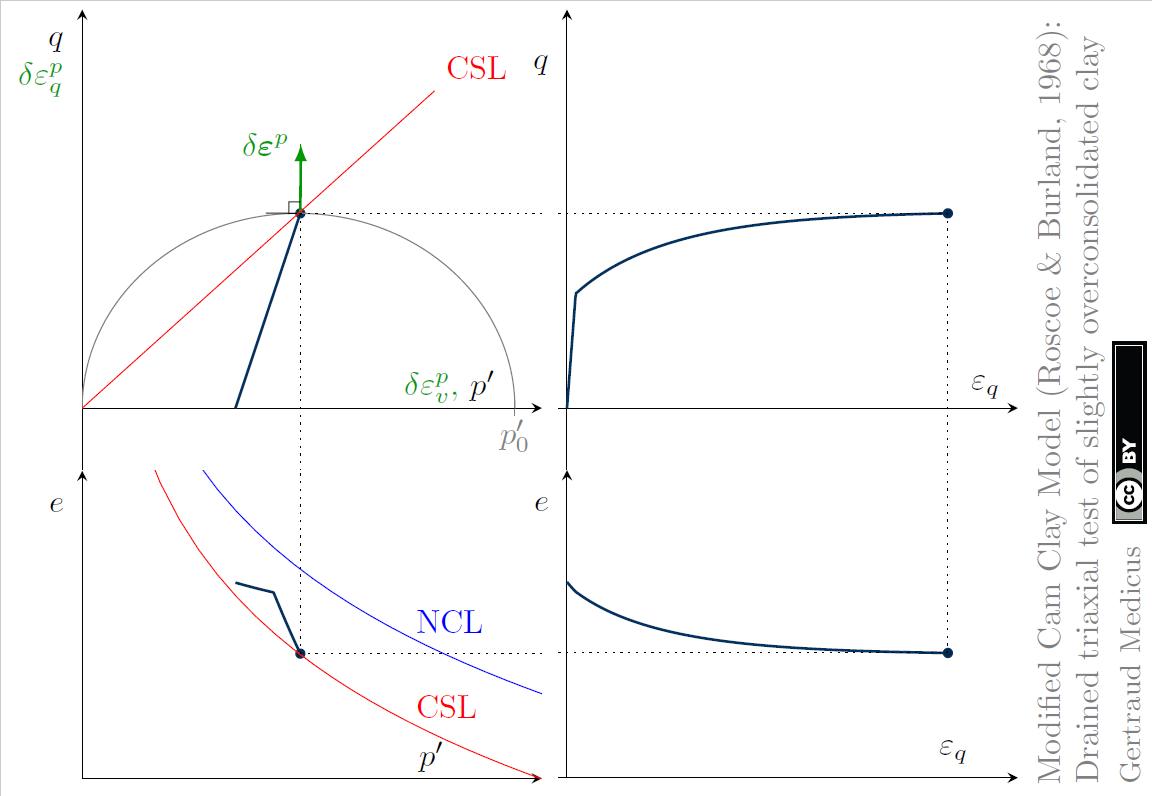
“Contractivos (Δu>1): Tienden a consolidar. Se da en suelos sueltos y arcillas normalmente consolidadas (NC).
Dilatante (Δu0y Δu<0 cierto??
Gracias
Hola, Esteban
Me alegro que te haya servido. En este caso no hay un error, en los suelos contractivos, cuando se ejerce la carga aumentan las presiones de poro. Al revés con los dilatantes.
Saludos.
Creo que se refiere a que en la imagen el valor critico para la dilatancia o contraccion es el 0 y luego en el texto es 1.
Eso si, muy buen post, simple dentro de lo complejo.
Hola, Benjamin.
Es cierto que se contradice. Lo reviso, gracias!
Buenos días,
Como se determinan las presiones de cámara en un ensayo triaxial CD, cuando de van a ensayar las 3 probetas? Cual es proporción de incremento adecuada entre cada una de esas presiones? Gracias
Hola, pues eso depende de tu proyecto.
Hay que preguntarse en qué condiciones estará sometido el suelo durante la construcción y la puesta en servicio.
Normalmente la primera es la actualmente tiene in situ, en función de su profundidad. La tercera sería las condiciones de servicio, por ejemplo, cuando construyamos la presa o el terraplen, o entre en carga la cimentación. La segunda, pues uno intermedio.
Saludos.
Ignacio
Gracias amigo. Solo me ha quedado una duda con el ensayo UU. En el blog mencionas que debe saturarse primero. Me parece que esa no es una condición estrictamente valida, ya que se entiende que el ensayo rápido no da tiempo para que el material sature, como ejemplo puede ser el realizar el ensayo UU y representar que sucederia si estas construyendo un dique y necesitas saber las condiciones de estabilidad. Sin embargo, el saturar la muestra, y luego ensayarla te podria dar valores menores de parámetros de resistencia cortante y utilizar ello para tu análisis y ser conservador. Yo considero que antes de realizar un ensayo es importante comprender como se va comportar el suelo y en función a ello desarrollar el análisis. Muchas gracias por tu blog, me he tomado el tiempo de leer, me quedan algunos pasos por profundizar pero muy bueno.
Martin, es necesario saturar el material de lo contrario va a haber efectos de succión que no pueden ser medidos y no es posible generar el analisis de esfuerzos efectivos que se necesita para determinar los valores de resistencia.
Hola Nacho, para mi este ensayo es muy importante y hay cosas que se hacen por costumbre pero que se pueden cambiar a mejor. Me explico, la presión de poro, por ejemplo, siempre se puede medir en la célula triaxial tanto si se hace un ensayo UU, como uno CD, el asunto radica en configurar el equipo y los sensores convenientemente.
Para mí, si cuando se hace un triaxial se le diera al cliente los datos de los sensores además de las curvas de rotura, el cliente podría comprobar si el ensayo realmente es UU o CD ya que muchas veces la elección de velocidades de rotura no son correctas, la nuestra drena mal por lo que sea, etc.
En resumen, este ensayo tan importante debe realizarse por técnicos especializados tanto en laboratorio, como en cálculo de resultados.
La formación es muy importante!!!