Hijab Sex Arab Videos Upd -
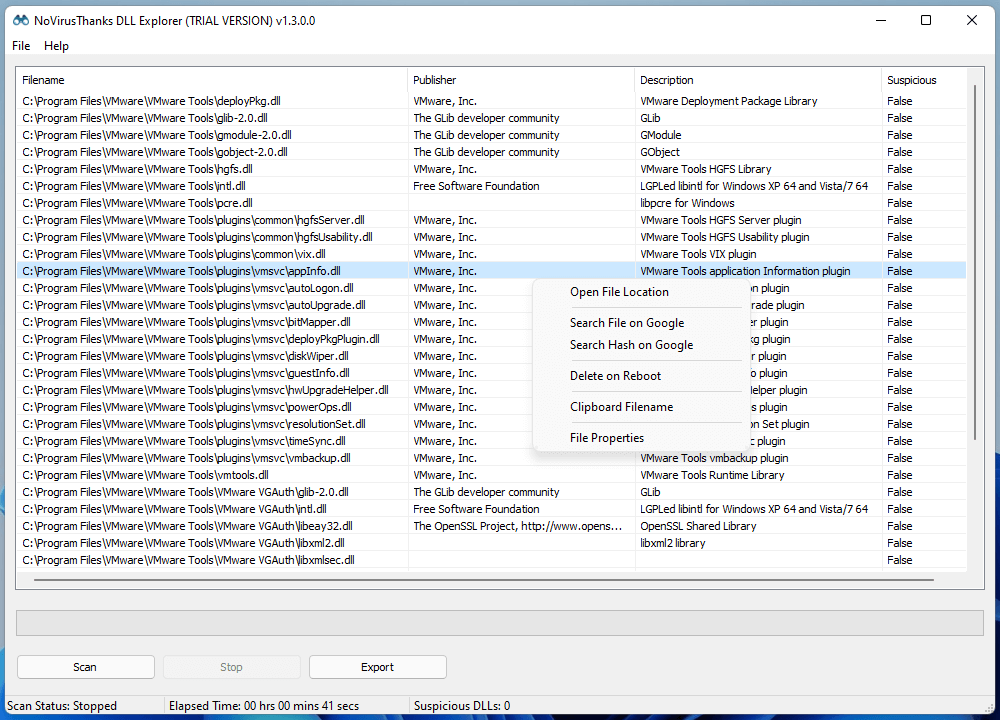
DLL Explorer is a useful utility which lists all loaded DLLs across all
running processes. To simplify the analysis
of loaded DLLs, the program lists only unique and non-system DLL files, along with the file publisher and description.
A one-click save log can also be created making system snapshots simple.
For Windows 7 SP1, 8, 8.1, 10, 11 (32/64-bit)
Hijab Sex Arab Videos Upd -
In contemporary romantic storylines, the hijab is no longer treated as a symbol of oppression or a barrier to love. Instead, writers use it to highlight a heroine’s autonomy and deep sense of self. Redefining the "Unveiling" Trope
The protective nature of Arab male leads—often rooted in the cultural concept of Ghayrah (protective jealousy/care)—adds layers to classic character dynamics without slipping into toxic behavior.
Brothers or sisters acting as confidants or comedic relief.
To understand the romantic storyline, you must first understand the visual cue. In traditional Hollywood, a woman "letting her hair down" symbolizes vulnerability or sexual availability. In the Arab hijabi world, the does the opposite—but with equal power. hijab sex arab videos upd
This series explored the messy, complex realities of dating within the Arab-American community. It portrayed characters who are imperfect, spiritual, and searching for connection, shattering the illusion of a monolithic Muslim experience.
Romantic heroes in these stories are often portrayed as respectful, supportive, and emotionally present, emphasizing a partnership based on care and mutual respect.
Older heroines (late 20s/30s). She was married before and took off her hijab for that husband; now she is divorced and reclaiming her hijab. The new love interest is a younger man or a divorcee who loves her because of her strength, not despite her past. In contemporary romantic storylines, the hijab is no
Traditional Western Romance: Physical Attraction ➔ Casual Dating ➔ Physical Intimacy ➔ Emotional Vulnerability Hijabi / Arab UPD Romance: Intellectual Alignment ➔ Chaperoned/Intentional Courtship ➔ Emotional Vulnerability ➔ Marriage ➔ Physical Intimacy The Role of Family and Community
For the millions of hijabi women scrolling through their feeds at midnight, these stories validate a simple truth: Your love story matters. Your boundaries are beautiful. And your happiest ending doesn't require you to change who you are.
In traditional Western media, the hijab was frequently weaponized as a visual shorthand for oppression or a barrier to be removed for a character to achieve "freedom." Modern romantic storylines flip this trope entirely. Within the UPD framework, the hijab is an active choice, a symbol of empowerment, and a deeply personal expression of faith and identity. It shifts from a barrier to a narrative asset that enhances the romantic tension. Redefining Romantic Tension and Tropes Brothers or sisters acting as confidants or comedic relief
The father forces a Khotba with a wealthy, arrogant suitor (the "Antagonist"). Meanwhile, the protagonist has been exchanging anonymous, poetic messages with a kind stranger on a professional networking app or study group. The Twist: The anonymous kind stranger is the arrogant suitor's best friend/younger brother. The romantic storyline pivots on the "Unrequited" pain of wanting someone you cannot publicly acknowledge without starting a tribal war.
The visual representation of a hijabi character in a romantic storyline is a powerful tool for normalization. Historically, mainstream media struggled to depict intimacy involving modest characters without relying on the cliché of "unveiling" for the male gaze.