




India’s vast geography dictates its ingredients. The country can be broadly divided into distinct culinary zones, each shaped by its climate and terrain. North India: Richness and Wheat
Before electric blenders, every Indian household used a sil batta (a flat grinding stone) or a khal dasta (mortar and pestle) to crush spices and chutneys. Hand-grinding generates no heat, which preserves the delicate volatile oils of spices, yielding a paste that is vastly superior in aroma and taste to machine-ground alternatives.
A method where food is cooked in a sealed pot over a low flame, allowing ingredients to simmer in their own juices—a hallmark of traditional biryanis.
Many women in their 30s, 40s, and beyond use these platforms to showcase fashion, dance, and humor, challenging the stereotype that an "aunty" must be conservative. hot desi aunty videos new
The Tapestry of Indian Lifestyle and Cooking Traditions The Indian lifestyle is a vibrant, sensory kaleidoscope deeply intertwined with its culinary traditions. For millennia, the subcontinent’s geography, spirituality, and cultural diversity have shaped a unique way of living where food is not merely sustenance, but a sacred ritual, a medicine, and the ultimate expression of community. To understand Indian cooking is to understand the rhythms of Indian daily life. The Philosophy of Food: Sustenance as a Sacred Ritual
, often accompanied by rich, creamy gravies influenced by Mughal history. Conversely, the embraces rice as its staple, with a lifestyle centered around the coconut palm, resulting in vibrant, tangy seafood and vegetable dishes. The East is famed for its delicate fish curries and intricate sweets, while the West balances the fiery heat of Rajasthani spices with the subtle sweetness found in Gujarati cuisine. The Philosophy of Spices and Health
The Indian ethos of "Atithi Devo Bhava" translates to "The guest is equivalent to God." Festivals like Diwali, Eid, Pongal, and Christmas are marked by the preparation of specific traditional dishes. Feeding others is considered an act of merit, and elaborate feasts are central to every major life milestone. Modern Evolution and Global Influence India’s vast geography dictates its ingredients
Today, Indian culinary traditions are navigating a fascinating intersection of preservation and modernization.
: The practice of tempering spices in hot oil to release flavors.
: Exchanging elaborate boxes of mithai (sweets) and savory snacks ( namkeen ). Eid : Slow-cooking rich biryanis and creamy sheer khurma . The Tapestry of Indian Lifestyle and Cooking Traditions
This region offers a stark contrast between the fiery, meat-heavy dishes of Rajasthan and the intricate, predominantly vegetarian "Thalis" of Gujarat. Coastal regions like Goa bring a unique Portuguese influence, featuring vinegar and bold chilies. The Ritual of Spices (Masala)
The use of Panch Phoron (a five-spice mix of fenugreek, nigella, cumin, black mustard, and fennel seeds) cooked in pungent mustard oil.

Largely unknown today, this is the history of Emerik Blum's company, Energoinvest, which defied capitalist conventions on its way to success.
Jasmila Žbanić | 2025 | 76 minutes | Color | Bosnian; English; German | English subtitles | Closed Captioned

In a polarized society, Sweden's Dialogue Police are united by humor and a shared calling: defending democracy with dialogue as their weapon.
Susanna Edwards | 2025 | 90 minutes | Color | Swedish; English; Farsi; Turkish | English subtitles

Since its earliest days, the Iranian regime has relied on forced, televised confessions to humiliate and discredit its opponents and instill fear in its citizens
Maziar Bahari | 2014 | 58 minutes | Color

Contrasts the experiences of Mayan families who came to Indiantown, Florida as refugees fleeing the violence in Guatemala in the early 1980s, with the struggles of those continuing to arrive in search of better lives.
Olivia Carrescia | 1994 | 56 minutes | Color
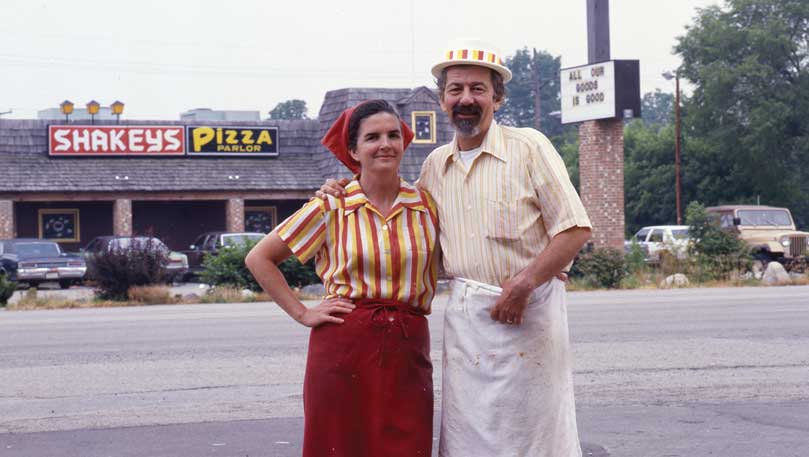
An American entrepreneur struggles to make his pizza business succeed. Part of the acclaimed Middletown series.
Tom Cohen | 1982 | 90 minutes | Color
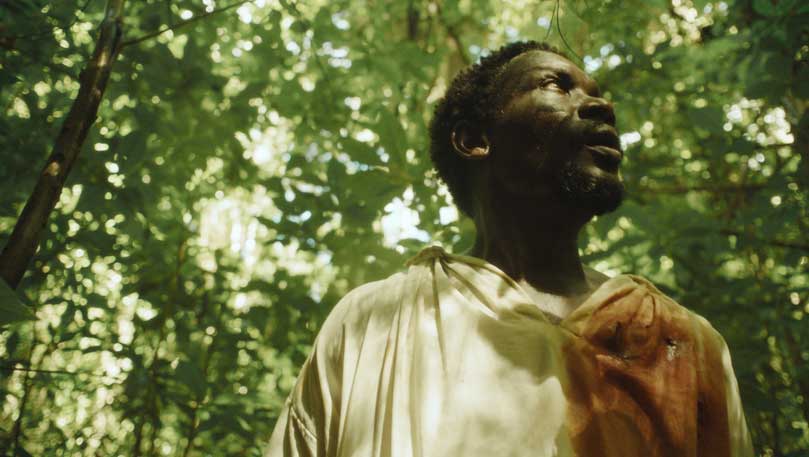
Massamba and his daughter Mati, slaves on Eugène Larcenet's plantation, hatch a daring plan to escape slavery, braving numerous obstacles in their pursuit of freedom.
Simon Moutaïrou | 2025 | 98 minutes | Color | French; Wolof | English subtitles
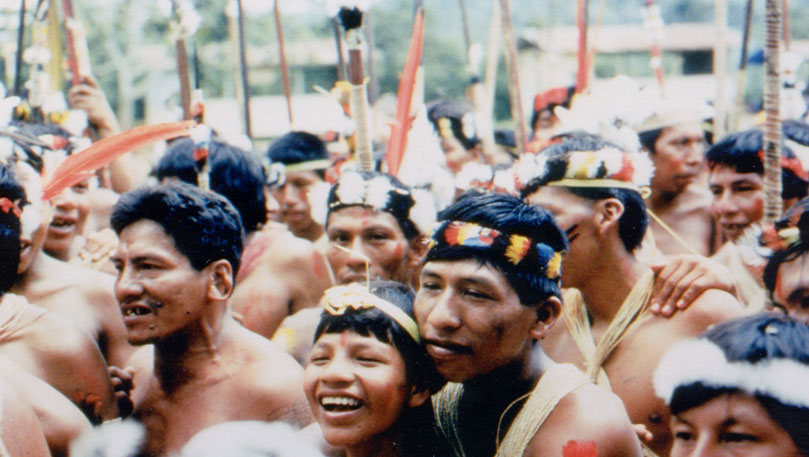
The oil company MAXUS and Huaroni Indians of the Amazon.
Christopher Walker | 1996 | 52 minutes | Color