Inurl Axis-cgi Mjpg Video.cgi __link__
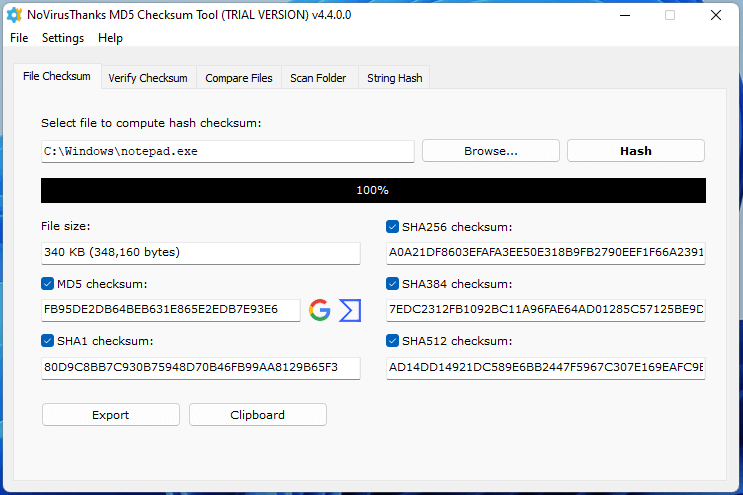
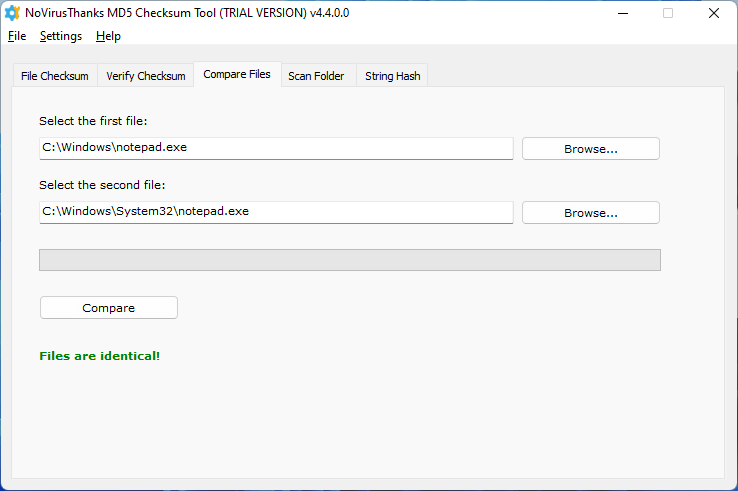
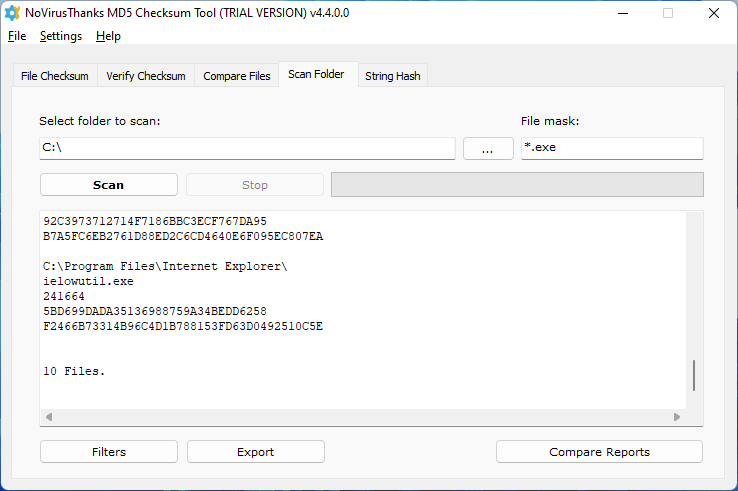
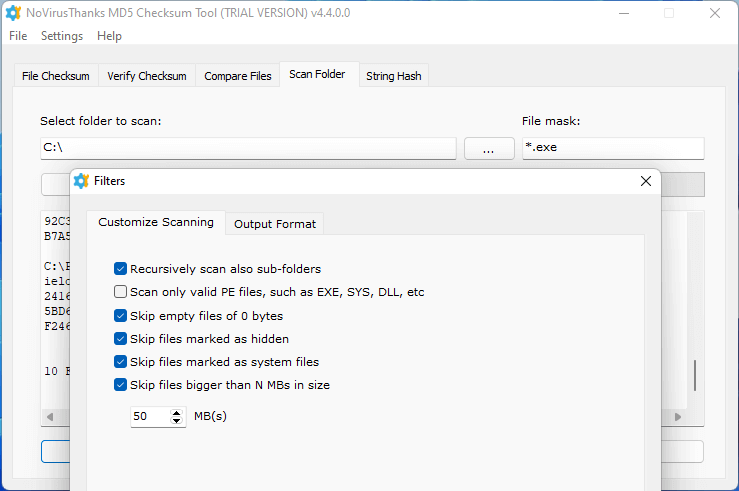
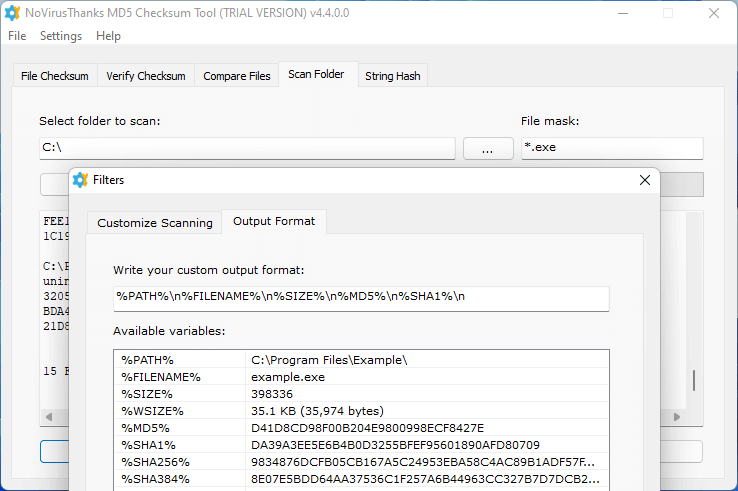
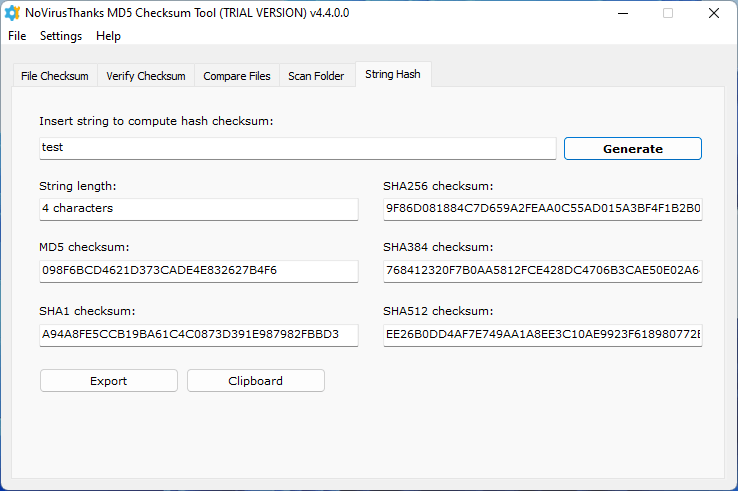
MD5 Checksum Tool is a smart and easy to use Windows OS application designed to allow
users to generate the file checksum
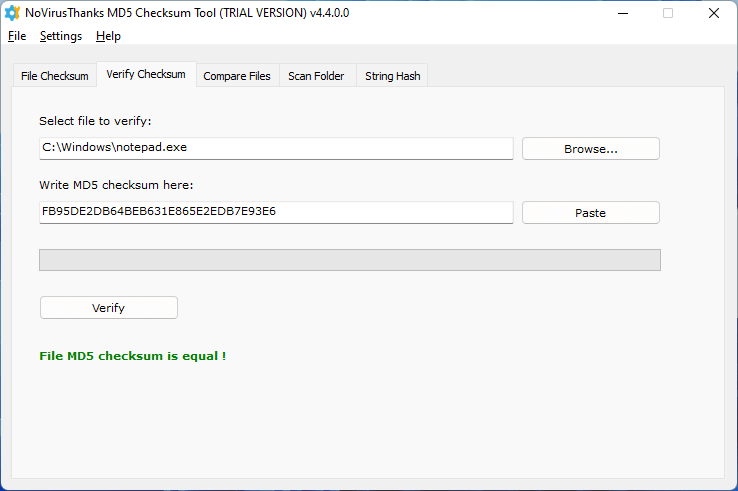
(MD5/SHA hash) of a file or string. It can be particularly useful to check if an executable (.exe) file is legit, in other words,
if it is the official release
from the offical author. The file and string hashing algorithms supported are
MD5, SHA1, SHA256, SHA384 and SHA512.
For Windows 7 SP1, 8, 8.1, 10, 11 (32/64-bit)
Inurl Axis-cgi Mjpg Video.cgi __link__
Enforce complex passwords containing a mix of alphanumeric characters and symbols.
Many routers automatically forward ports to internal network devices without explicit user confirmation, exposing internal camera feeds directly to the public internet.
Securing IP cameras requires a systematic approach to network configuration and device management. Camera administrators should implement the following defense-in-depth measures: 1. Implement Strong Authentication
In the vast, interconnected landscape of the internet, search engines like Google, Bing, and Shodan act as our digital cartographers. They index billions of pages, allowing us to find information in milliseconds. However, these powerful tools can also index things their owners never intended to be public. One such string of code, often whispered about in cybersecurity forums and among ethical hackers, is the search query: . inurl axis-cgi mjpg video.cgi
This specific string exploits how certain IP cameras (specifically older Axis Communications models) structure their web addresses.
This public link is valid for 7 days and shares a thread, including any personal information you added. This link or copies made by others cannot be deleted. If you share with third parties, their policies apply. Can’t copy the link right now. Try again later.
Exposed feeds allow unauthorized parties to monitor facilities, track employee schedules, observe high-value assets, and capture sensitive credential inputs on screens or keypads. Enforce complex passwords containing a mix of alphanumeric
To protect login credentials from being transmitted in plain text across the network, it is best practice to enforce . Unlike Basic Authentication, Digest Authentication hashes the password before sending it, making it much more resistant to eavesdropping. This setting can usually be found in the camera's security or system options menu.
Security installers frequently fail to enable the mandatory password settings during initial deployment, allowing unauthenticated root access to the camera's streaming path ( /axis-cgi/mjpg/video.cgi ).
: This tells Google to look for specific text within the URL of a website. : This is a directory specific to devices made by Axis Communications mjpg/video.cgi However, these powerful tools can also index things
Specifies the Motion JPEG video compression format used for streaming.
: Ethical hackers use these strings to find vulnerable devices and notify owners or manufacturers about security flaws.
Enforce complex passwords containing a mix of alphanumeric characters and symbols.
Many routers automatically forward ports to internal network devices without explicit user confirmation, exposing internal camera feeds directly to the public internet.
Securing IP cameras requires a systematic approach to network configuration and device management. Camera administrators should implement the following defense-in-depth measures: 1. Implement Strong Authentication
In the vast, interconnected landscape of the internet, search engines like Google, Bing, and Shodan act as our digital cartographers. They index billions of pages, allowing us to find information in milliseconds. However, these powerful tools can also index things their owners never intended to be public. One such string of code, often whispered about in cybersecurity forums and among ethical hackers, is the search query: .
This specific string exploits how certain IP cameras (specifically older Axis Communications models) structure their web addresses.
This public link is valid for 7 days and shares a thread, including any personal information you added. This link or copies made by others cannot be deleted. If you share with third parties, their policies apply. Can’t copy the link right now. Try again later.
Exposed feeds allow unauthorized parties to monitor facilities, track employee schedules, observe high-value assets, and capture sensitive credential inputs on screens or keypads.
To protect login credentials from being transmitted in plain text across the network, it is best practice to enforce . Unlike Basic Authentication, Digest Authentication hashes the password before sending it, making it much more resistant to eavesdropping. This setting can usually be found in the camera's security or system options menu.
Security installers frequently fail to enable the mandatory password settings during initial deployment, allowing unauthenticated root access to the camera's streaming path ( /axis-cgi/mjpg/video.cgi ).
: This tells Google to look for specific text within the URL of a website. : This is a directory specific to devices made by Axis Communications mjpg/video.cgi
Specifies the Motion JPEG video compression format used for streaming.
: Ethical hackers use these strings to find vulnerable devices and notify owners or manufacturers about security flaws.