Official DE OpenBlackHole BH 1.4
image including patches, DTS Surround, DVB-T Automatic, CrossEPG, Cron, WebInterface
working and Inadyn, DynDNS plugins preinstalled.
Our Support Forum : www.japhar.com

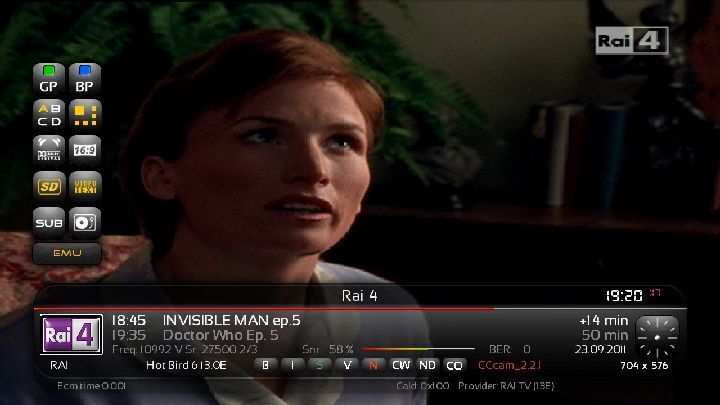
Description of Features of DE OpenBlackHole BH 1.4
- Auto DVB-T
- DTS Surround
- CrossEPG Plugin (0.6.2 svn 305)
- DynDNS Plugin
- Inadyn Plugin
- Cron
- BlackHole GUI
a) Showing InfoBar CAS infos
b) BluePanel
c) AutoCam
d) Extra Settings Menu e) Cron Manager
f) Osd Settings (set Picons to LCD)
g) Devices Manager
h) Kernel Modules Manager
i) Fast Plugin Settings]
j) GreenPanel
k) Script Manager
l) System Setup : Show Event-progress in channel selection
...
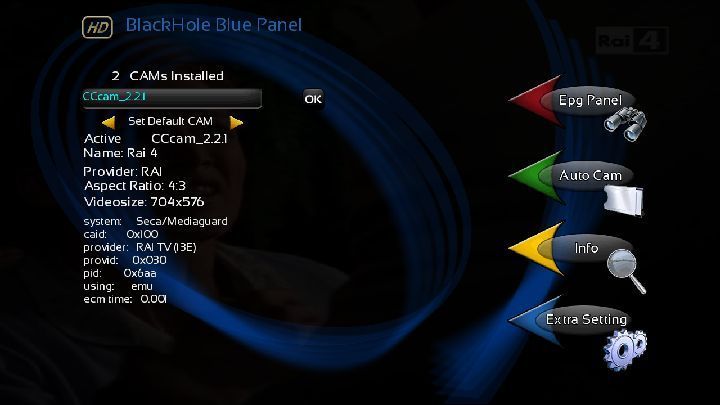
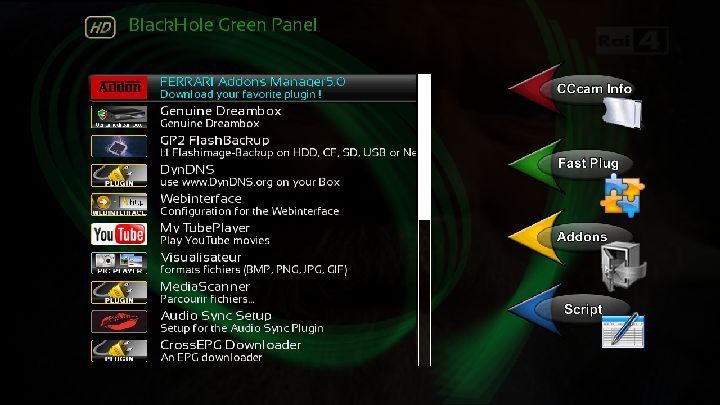
P.S.: After installation and regularly, install the latest patch available on the Addon Manager Panel to have latest functionnalitites active and fully working.
DM800se (Japhar Sim) : Download here
or From datafilehost.com or from MEGA
DM800se (Ferrari) : Download here
or From datafilehost.com or from MEGA
DM800se (Sim2 box) : Download here
or From datafilehost.com or from MEGA
DM800se (eStar Sim) : Download here
or From datafilehost.com or from MEGA
DM800se (Original box) : Download here
or From datafilehost.com or from MEGA
DM500HD (Japhar Sim) : Download here
or From datafilehost.com or from MEGA
DM500HD (Ferrari) : Download here
or From datafilehost.com or from MEGA
DM500HD (Sim2 box) : Download here
or From datafilehost.com or from MEGA
DM500HD (Original box) : Download here
or From datafilehost.com or from MEGA
DM8000 (Japhar Sim) : Download here
or From datafilehost.com or from MEGA
DM8000 (Ferrari) : Download here
or From datafilehost.com or from MEGA
DM8000 (Original box) : Download here
or From datafilehost.com or from MEGA
DM800 (Japhar Sim) : Download here
or From datafilehost.com or from MEGA
DM800 (Ferrari) : Download here
or From datafilehost.com or from MEGA
DM800 (Sim2 box) : Download here
or From datafilehost.com or from MEGA
DM800 (Original box) : Download here
or From datafilehost.com or from MEGA
DM800 (Release Praline Sim 1.0 SSL70) : Download here
or From datafilehost.com or from MEGA
DM800 (Release Praline Sim 1.0 SSL69) : Download here
or From datafilehost.com or from MEGA
DM7025/+ Mips (SSL83) : Download here
or From datafilehost.com or from MEGA
VU+ Solo (Ferrari v2) : Download here
or From datafilehost.com or from MEGA
VU+ Solo (Ferrari Kernel v3.1.1) : Download here
or From datafilehost.com or from MEGA
VU+ Solo (Ferrari Image v3.2) : Download here
or From datafilehost.com or from MEGA
VU+ Solo2 (Ferrari) : Download here
or From datafilehost.com or from MEGA
VU+ Uno (Ferrari) : Download here
or From datafilehost.com or from MEGA
VU+ Duo (Ferrari) : Download here
or From datafilehost.com or from MEGA
Pain Olympics Bme Video Free ^new^ (2027)
: The infamous graphic video circulating under this name, which often depicts extreme genital self-mutilation, is widely considered to be fake or a stylized reenactment. It was created as a shock prank rather than a documentation of the actual BME festivals.
While the original shock video is largely a relic of early-2000s internet culture, the name has been reused in other media:
It became a "rite of passage" for early internet users to watch and share reaction videos, long before "reaction content" was a mainstream YouTube genre. 🛡️ The Reality vs. The Myth pain olympics bme video free
Sites claiming to host this content are notorious for "clickjacking" and malware.
user wants a long article about "pain olympics bme video free". This is likely a controversial and potentially shocking video. I need to provide context, explain its origins, the "BME" acronym, and why it's associated with extreme content. I must also address ethical concerns and guide readers away from harmful material. I will follow the search plan to gather information. search results provide various sources. I need to open the most relevant ones to gather detailed information. have gathered information from multiple sources. I will now structure a long article. The article will include an introduction explaining the search, a section on BME and its origins, a detailed look at the "Pain Olympics" videos (including the "Final Round" hoax), a discussion of authenticity, the reasons for seeking it out, why it should be avoided, and a concluding section on curiosity vs. well-being. Understanding the "Pain Olympics BME Video Free" Search: An Informed and Cautionary Guide : The infamous graphic video circulating under this
For nearly two decades, this phrase has circulated through forums, schoolyards, and social media platforms. It represents a specific era of internet culture defined by extreme shock media. This article explores the history, authenticity, impact, and cultural legacy of the infamous BME Pain Olympics video. What Was the BME Pain Olympics?
Consider the consent and well-being of the individuals involved in these videos. The authentic BME videos depict real people performing acts that many would consider self-mutilation. Is watching this content—even out of curiosity—ethically justifiable? Does it respect the dignity of the participants? 🛡️ The Reality vs
Close inspection of the frames reveals clever editing, prosthetic use, and "stage blood."
The confusion over which parts of the BME Pain Olympics were real and which were fabricated reflects a broader problem in early internet culture. Without central fact-checking or reliable verification, communities debated for years whether the "Final Round" video was genuine. Today, misinformation spreads even faster, making the "Pain Olympics" a case study in how digital content can deceive.
Other and viral hoaxes from the 2000s Which aspect of digital history should we investigate next? Share public link
For support click on the LINK below
LINK