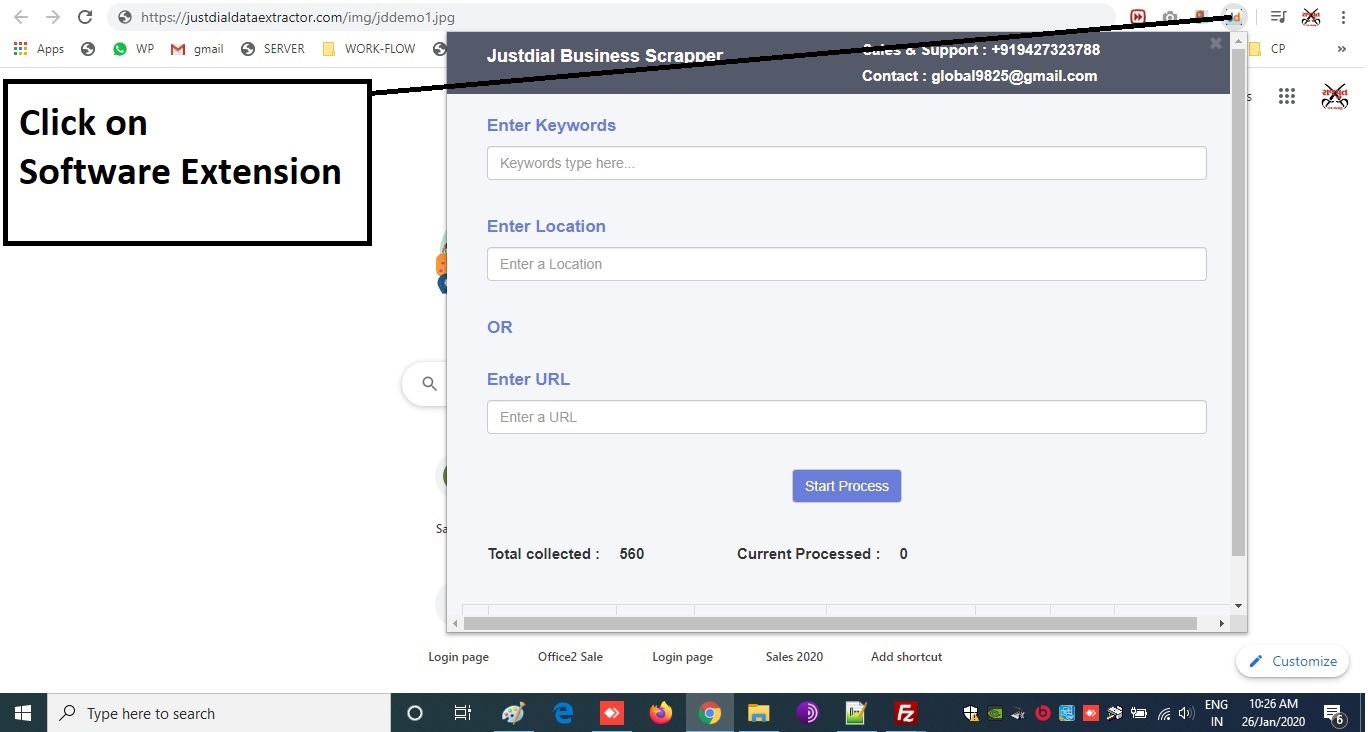
Just Dial Data Extractor (Application Work on Linux | Window | Mac)
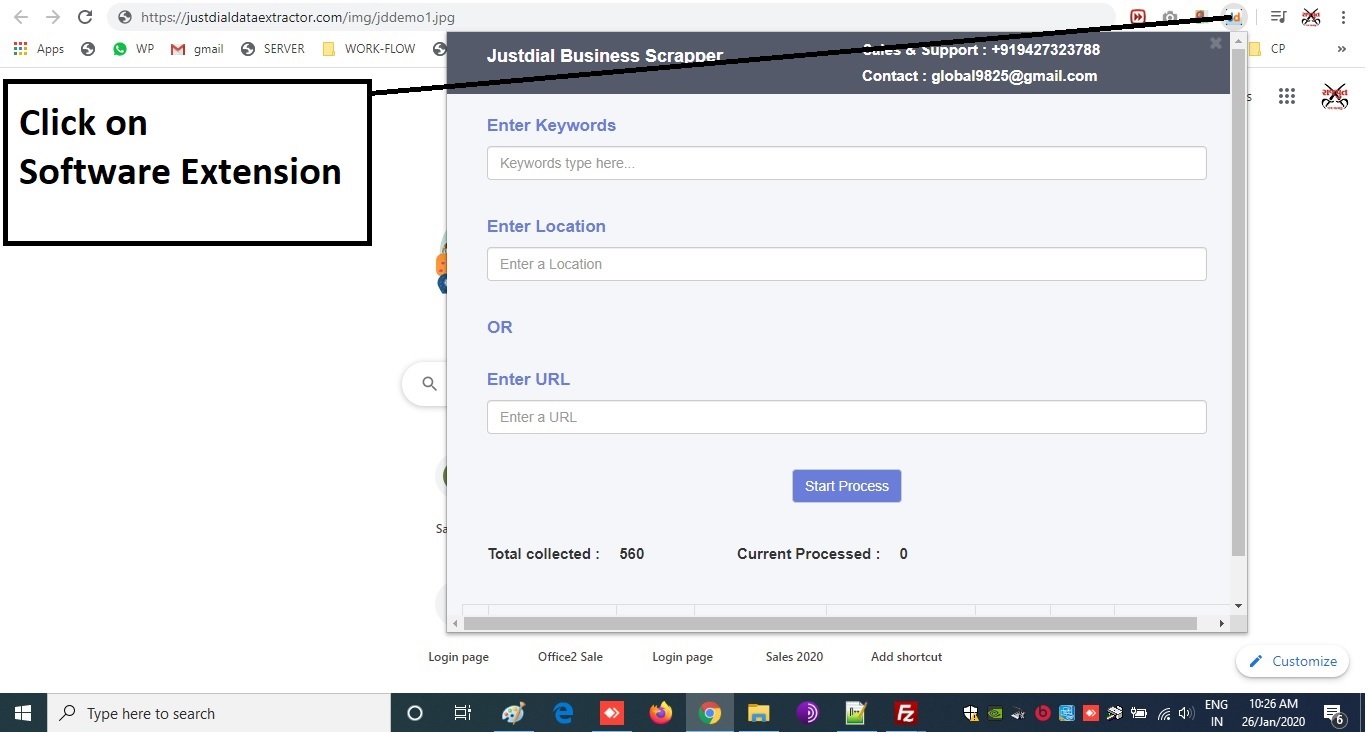
Just Dial Data Extractor
Replacing the old mechanical hard drive with a 2.5-inch SATA Solid State Drive (SSD) is the single most impactful upgrade you can make. An SSD completely eliminates storage bottlenecks, allowing the laptop to boot in seconds rather than minutes. Step 2: Maximize the RAM
Most configurations of this model shipped with AMD processors, frequently utilizing the or AMD Phenom II processors. RAM: It typically shipped with 3GB or 4GB of DDR3 memory.
The PCG-61611L was built during an era where Sony prioritized aesthetics and multimedia performance.
Understanding the nuances of this specific chassis number is essential if you are buying a used unit, trying to find replacement parts, or looking to maximize its performance. Clarifying the Model Name: PCG-61611L vs. VPCEE Series
Technical specs-style
The laptop has two DDR3 SO-DIMM slots. Installing two matching 4GB sticks of DDR3 RAM allows the system to run in dual-channel mode, giving the integrated ATI graphics more breathing room. Step 3: Clean and Repaste the CPU
This article will dissect every aspect of the , covering its hardware specifications, design philosophy, upgrade potential, common issues, and whether it holds any value in 2025.
While variations exist, the standard configuration of the Sony Vaio VPCEE series (PCG-61611L) is based on an AMD platform.
Upgrading the memory to the maximum supported 8GB of DDR3 RAM allows the laptop to handle modern web browsers like Google Chrome, which are notorious for heavy memory consumption. 3. Operating System Considerations
The is a versatile mid-sized laptop originally released around 2010 . Part of the VAIO EE series, it was designed for casual home and office computing with a focus on reliability and a distinctive, textured "granite" finish. Core Technical Specifications