Veterinary behaviorists are specialized veterinarians who diagnose and treat complex behavioral disorders using a combination of behavior modification therapy and psychotropic medications. Core Principles of Animal Learning
By applying principles of animal learning theory and ethology, modern clinics modify their practices to safeguard the psychological health of their patients:
Veterinary professionals must determine whether an animal’s unwanted behavior is rooted in a medical condition or a psychological issue.
: Understanding natural animal behaviors to improve housing and handling techniques in veterinary environments.
: Changes in behavior are often the first clinical indicators of underlying physical illness, such as pain from osteoarthritis or endocrine disorders like hypothyroidism.
Clinics use separate waiting areas for dogs and cats. Feliway (feline) and Adaptil (canine) pheromone diffusers are used to create a calming olfactory environment.
This public link is valid for 7 days and shares a thread, including any personal information you added. This link or copies made by others cannot be deleted. If you share with third parties, their policies apply. Can’t copy the link right now. Try again later.
Ultimately, viewing animal health through a combined lens of behavior and medicine allows us to provide the highest standard of care, ensuring animals are healthy both physically and emotionally.
Similar to Alzheimer's disease in humans, CDS affects geriatric pets, causing disorientation, altered sleep cycles, and house soiling. It is managed with specialized diets, antioxidant supplements, and medications like selegiline.
By implementing behavioral principles, modern clinics now utilize:
+-------------------+---------------------------------------------------+ | Species Category | Core Application of Behavioral Veterinary Science | +-------------------+---------------------------------------------------+ | Companion Pets | Treating separation anxiety, phobias, aggression | | Equine | Identifying pain-induced "vices" and ulcer stress | | Livestock | Low-stress facility designs, reducing handling fear| | Zoo / Wildlife | Voluntary medical cooperation (blood draws, etc.)| +-------------------+---------------------------------------------------+ 4. The Fear-Free Movement: Revolutionizing the Clinic
 Бытовые вытяжные вентиляторы
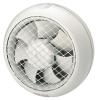 Вентиляторы для оконно-настенной установки
 Канальные вентиляторы
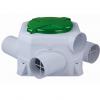 Мультизональные вытяжные вентиляторы
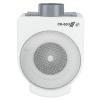 Бытовые кухонные вентиляторы
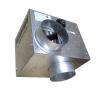 Вентиляторы для распределения теплого воздуха
 Бытовые вентиляторы
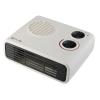 Обогреватели и конвекторы
 Фены и сушилки для рук
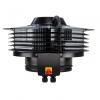 Крышные вентиляторы
 Вентиляторы с EC-двигателями
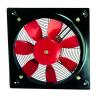 Осевые вентиляторы с монтажной пластиной
 Осевые вентиляторы в цилиндрическом корпусе
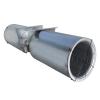 Струйные вентиляторы
 Вентиляторы в корпусе
 Центробежные вентиляторы
 Пластиковы центробежные вентиляторы
 Воздушные завесы и тепловентиляторы
 Приточные установки
 Приточно-вытяжные установки