
Private Top | Intitle Index Of
The search query is constructed using several Google commands that work together to filter results with surgical precision:
: Use the Google Search Console URL Inspection Tool to request the removal of these pages from search results.
: These are keywords added to the query to narrow down the results to folders that might contain restricted data or "top-level" configuration files. The Risks and Real-World "Stories" intitle index of private top
The configuration is found in a server block within an nginx.conf file. The directive to turn off autoindexing is simply:
The "Private Top" directory was rumored to be a digital vault created by a group of early net-runners who believed that human experience was too precious to be lost to the "404 Not Found" errors of a dying web. Each folder in the index was named after a specific coordinate in time and space—a quiet morning in Kyoto in 1994, a rainy afternoon in a London flat in 2005. The search query is constructed using several Google
intitle:"index of" "private" (often truncated or modified by users as intitle index of private top ).
The exact term "intitle index of private top" is a specific type of Google dork used to locate unsecured directories that likely contain high-value or sensitive data. While the standard intitle:"index of" search returns a wide range of generic file listings, adding keywords like "private" or "top" refines the search to uncover folders that were likely intended to be hidden. These modifications help filter results to show only those directories named private or top which are often used to store confidential information such as financial records, user data, or administrative backup files. The directive to turn off autoindexing is simply:
Any use of this information must comply with all applicable laws and, most importantly, be performed with explicit written permission from the owner of the target system. Unauthorized access, data exfiltration, or any malicious activity is strictly prohibited and the author assumes no liability for any misuse of this information.
The digital world is not the Wild West. Laws exist, and ethics must guide our actions. As the Silent Push blog notes, the consequences of an open directory can be catastrophic: a phone call from a lawyer, an email from a hacker demanding a ransom, or a very angry customer whose data you exposed. Don't be the person who turns a misconfiguration into a major data breach.
 Trọn bộ camera Hikvision – Màu Đêm
 BỘ CAMERA 2.0MP DAHUA ĐÀM THOẠI 2 CHIỀU
 BỘ KBVISION 2.0MP CÓ MÀU BAN ĐÊM CÓ ÂM THANH
 GIÁ CAMERA IMOU
 Giá Bộ camera HIKVISION
 Bộ Hikvision Hd-Tvi
 Bộ Camera IP Hikvision
 Trọn bộ camera Dahua
 Bộ Camera Dahua Hd-Cvi
 Trọn BỘ CAMERA KBVISION
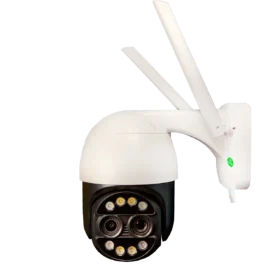 Camera WiFi Không Dây
 Camera YooSee
 Bộ 4 mắt Không Dây
 Phụ Kiện Camera
